People with autism in the Adventist churches in Italy
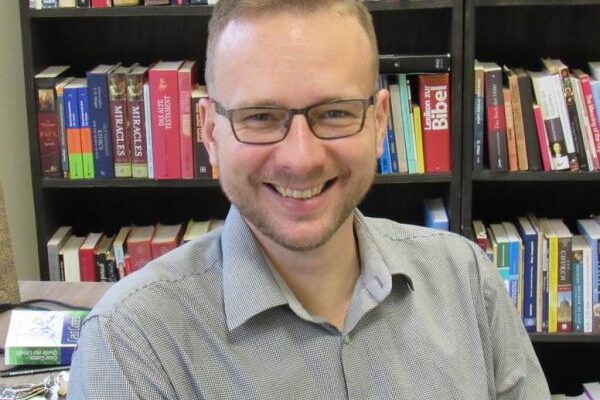
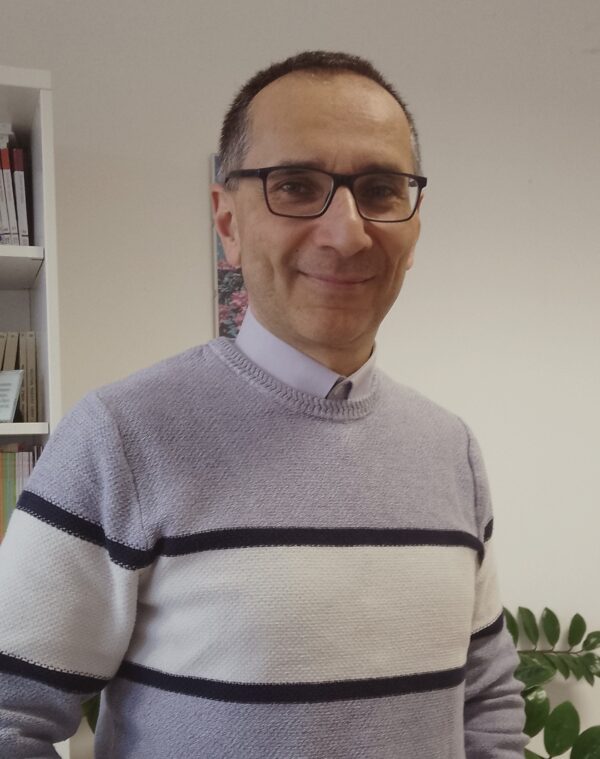
My name is Saverio. I’m an Adventist pastor and scholar, living in Florence with my wife, our two children (daughter and son), and our cat. My daughter is a girl with autism. When she had delays in speaking (she began with simple words at four) and in being autonomous in bodily functions, my wife and I were worried. It was a mix of worries about her, a sense of guilt for not being effective parents and educators, and shame because our child was not able to do what other children could. When she was five, she received the diagnosis of autism. I felt like the world was falling on me. For me, this diagnosis was a tragedy. I didn’t know anything about autism, except for some common biases associated with movies.
As my daughter grew up and I learned more about her autism, I changed my first impression. After the diagnosis, I remembered something that occurred when she was two. She was with me, watching on TV The Miracle Maker, a 1999 animated movie about the life of Jesus, and I was thinking about her and her problems: did she understand anything? At some point in the movie, Jesus says to the crowd: ‘Come to me! Come and listen to me!’ At once, my daughter got up from the sofa, took my hand, and led me next to the TV. I remembered this fact because I was asking myself how I could help my daughter find Jesus and have a meaningful life. In that moment, I realized that my perspective was partial, even wrong. She took my hand and led me to the TV, and not the contrary, so I changed my question: how can she help me have a meaningful life and bring me closer to Jesus?
This is the first question that pushed me to do research about the people with autism attending the Adventist churches in Italy. I am, of course, interested in the ways they are received in their communities of faith, but mainly in how they contribute to bringing those communities closer to Jesus.
Two years later, when my daughter was six, she drew a kind of epic war. When I saw it, I told her that she forgot to draw the eyes of everyone, but she replied: ‘Daddy, they don’t see!’ I was surprised: how could a six-year-old child with autism come to such a deep understanding? This knowledge she has acquired was despite her autism, or maybe thanks to her autism? For the first time, I realized that maybe the autism of my daughter caused her some difficulties in various fields, but also gave her original sensitivity and possibilities in other fields. I started to think that autism is not just a problem, but also a resource. This is the second question that guides my research: is disability, in general, and autism, in particular, received only as a problem to manage, or also as a wealth that enriches the life, mission, and liturgies of the Adventist churches in Italy?
My research uses a qualitative method: seven semi-structured interviews with people with autism attending Adventist churches in Italy and their parents. The first chapters of my thesis aim to provide the context of my research: what autism is, what disability theology and autism theology are, and what the main traits of the Adventist churches in Italy are. The fourth chapter is the methodological one, while the other four chapters will narrate the everyday lives of people with autism whom I interviewed directly or indirectly, their faith and ideas, how they are received in local Adventist churches, and how those churches are transformed by their presence.
Written by: Saverio Scuccimarri