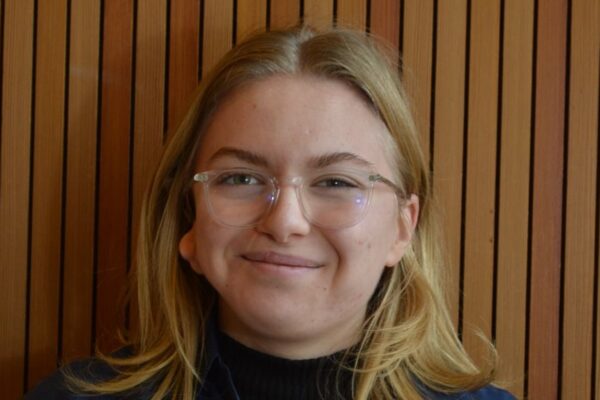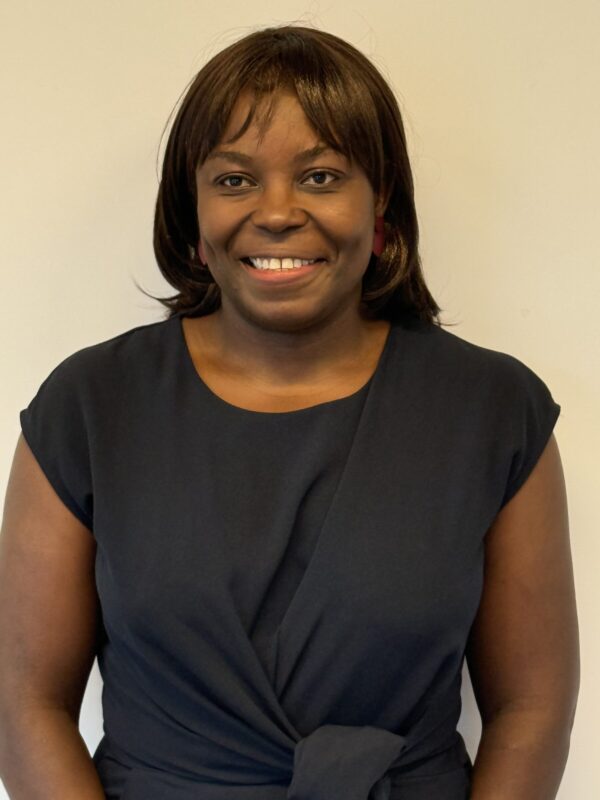
A Story from a PTR Student: Linda
My academic and professional path has consistently been shaped by questions of culture, meaning, and the often-unspoken boundaries that structure social life. I hold a bachelor’s degree in Anthropology, with a focus on taboos. During my studies in Cameroon, I conducted research on sexual taboos, examining how silence, morality, power, and tradition interact within communities. This early work sparked a lasting interest in how societies define what can be expressed and what must remain hidden, particularly in relation to identity, gender, and religious belief.
I currently work as a social worker within a Dutch NGO, supporting individuals and communities facing complex social challenges. As an immigrant, I frequently experience a sense of being “in between” cultures, worldviews, and systems of understanding. This position has made me especially aware of cultural tensions, particularly when faith and religion are involved. Differences in religious interpretation often influence how people understand suffering, responsibility, and healing, and these differences can lead to miscommunication or silence.
Motivated by these experiences, I pursued a one-year postgraduate program in the Theology of Migration at VU. This programme deepened my insight into migration, colonial histories, and religious frameworks within the Dutch context. At the same time, it revealed a significant disconnect: the ways in which Dutch society, colonialism, and religion are discussed in academic and institutional settings are not always understood or shared in the same way within migrant communities, especially among people of African origin. These differing perspectives often shape how trauma is perceived, discussed, or avoided.
Within many migrant faith communities, trauma remains a sensitive and often unspoken topic. Suffering is frequently spiritualized or framed as a test of faith, leaving little room for open dialogue or emotional acknowledgement. This silence reinforced my desire to better understand how trauma is communicated within religious spaces and how faith can function both as a source of harm and as a pathway toward healing and reconciliation. In this search for deeper insight, I found the Peace, Trauma, and Religion (PTR) programme.
The PTR programme brings together the key themes that have long guided my academic interests and professional practice. It has broadened my understanding of the complex role religion plays in both fueling conflict and fostering peace within and across communities. The programme has also helped me view trauma not solely as an individual experience, but as something shaped by collective histories, cultural norms, and shared memories.
One of the most meaningful aspects of PTR for me is its strong focus on diversity, dialogue, and coexistence. Through the programme, I am gaining practical tools and theoretical perspectives on peaceful communication, while also developing a more reflective and inclusive approach to cultural diversity, gender, and identity. These insights are directly relevant to my work as a social worker and deepen my ability to engage thoughtfully with people from diverse backgrounds.
From an academic perspective, the programme is intellectually demanding and deeply rewarding, offering frameworks and methods that closely align with my professional responsibilities. As a storyteller, PTR also strengthens my capacity to create spaces where individuals feel safe to share their experiences. I see storytelling as a powerful means of connection, healing, and empowerment. Through PTR, I hope to further explore how stories of trauma, faith, and resilience can be acknowledged rather than silenced.I hope to gain new ways of bridging cultural and religious differences, particularly within migrant communities, and to contribute to conversations where trauma is no longer treated as taboo but recognized as a shared human reality. For me, PTR is not only an academic programme but a transformative journey of personal and professional growth.
Written by: Linda Etandip