Learning to See What Has Always Been There
I have spent much of my life in Baptist sanctuaries, but somewhere along the way I began to see them differently.
I started noticing the things I had walked past hundreds of times—the flags standing on the stage, the stained glass in the sanctuary, the paintings on the walls, the images tucked into Sunday school classrooms, and especially the familiar portraits of Jesus. Jesus was always depicted with light skin, flowing brown or sometimes blond hair, and European features. I had seen this white Jesus for most of my life, but I had rarely stopped to ask what his whiteness meant.
Once I began to see him, I could not unsee him.
My story is deeply rooted in Baptist life. The church has been one of the primary places where I learned about faith, community, belonging, and what it means to love our neighbors. For fifteen years, I have served as a pastor in congregational ministry. I have preached sermons and served communion, stood beside families at weddings and funerals, visited hospital rooms, sat through countless church meetings, and watched congregations wrestle with what it means to faithfully follow Jesus.
Those years taught me that theology does not live only in books or the Bible.
Theology lives in people, practices, and places. It is present in what we preach and sing. It is also present in the spaces we create and the images we place before people week after week. This realization became central to my doctoral journey.
My dissertation research focused on learning to see whiteness in Baptist worship spaces. Using visual ethnography, I began examining the sanctuary itself as a kind of theological text. What do our buildings say about who belongs? What do our symbols communicate about race, power, and God? And what happens when whiteness becomes so familiar and so normal that we stop seeing it altogether?
The image of White Jesus became an important part of those questions.
My research required more than analyzing other churches. It required examining my own formation and asking how I had learned to see—or not see—whiteness. The work became both academic and deeply personal. I began to understand that studying whiteness also requires a willingness to examine the stories, images, and assumptions that have shaped us.
Today, I serve as Chief Operating Officer and Teaching Professor of Preaching at BSK Theological Seminary (Lexington, KY/USA) while continuing my work as a pastor, researcher, and writer. My current research is expanding the conversation about White Jesus imagery, including its presence in both predominantly white and Black church spaces.
I am increasingly interested not only in whether churches should remove or retain these images, but in what conversations the images might make possible. For me, this work is ultimately about transformation. I want to help create spaces where churches can have honest conversations about race, faith, history, and power without believing they must already have all the answers.
Perhaps transformation begins before we change anything on the wall. Perhaps it begins when we finally stop, look around the sanctuary, and learn to see what has been there all along.
Erica´s dissertation will be published in the “Amsterdam Series in Baptist and Mennonite Theologies”, see: https://wipfandstock.com/collections/series-amsterdam-series-in-baptist-and-mennonite-theologies?sort=publication_date_desc

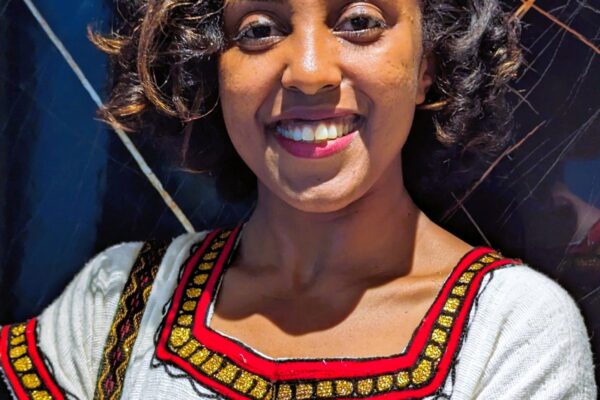
Rev. Dr. Erica Evans Whitaker
Rev. Dr. Erica Evans Whitaker serves as Chief Operating Officer and Teaching Professor of Preaching at BSK Theological Seminary. She is a researcher, Baptist pastor, and writer whose work explores the intersections of worship, theology, race, and the life of the church. Through her teaching, preaching, research, and writing, she seeks to cultivate thoughtful and transformative practices for the church and its leaders