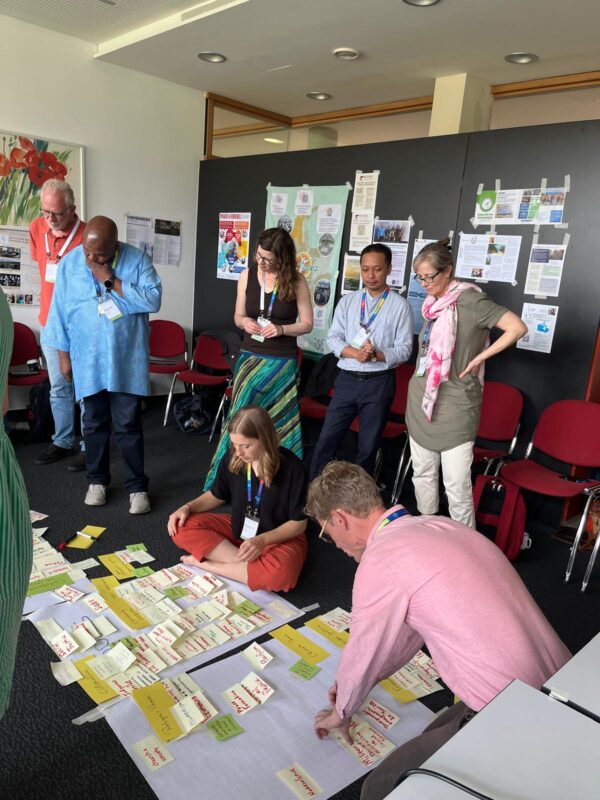
Walking Together for Peace: Highlights from the ACRPJ and World Council of Churches (WCC)
The ACRPJ team, in collaboration with the Center for Peace Church Theology (ATF) in Hamburg (Germany), has also been actively involved in the committees of the World Council of Churches (WCC), contributing to shared initiatives in peace theology and global ecumenical engagement. This collaboration includes participation in joint publications, dialogues on global church developments, and ongoing exchange within ecumenical networks.
PEACE PROCESS IN COLOMBIA
In January 2023, Fernando Enns was commissioned by the WCC to participate as an international observer in the political peace negotiations in Colombia, together with Dr. Humberto Shikiya (Argentina). While Dr. Shikiya participated directly as a moderator in the political dialogues, Fernando Enns represented these interests in the governing bodies of the WCC and as a theological advisor.
Since the beginning of 2024, roles within this process have evolved: Jenny Neme (Mennonite from the Iglesia Menonita de Colombia) has now been appointed by the WCC to actively accompany the peace dialogues on the ground. Fernando Enns serves as the WCC’s Special Representative for the peace processes in Colombia, while Humberto Shikiya continues to serve as an advisor. The Finnish government has made significant financial commitments to the WCC for these endeavors, enabling the WCC to continue its activities.
WCC CENTRAL COMMITTEE JOHANNESBURG/SOUTH AFRICA
In June 2025, the World Council of Churches (WCC) Central Committee gathered in South Africa. Fernando Enns has been a member of this governing body since 1998 (and also a member of the Executive Committee since 2022). South Africa is considered an important place of learning for peace theology and reconciliation work in general. South Africa’s journey from apartheid to reconciliation continues to shape global reflections on peace theology. This year marks forty years since the Kairos Document, a prophetic cry that reminded churches to resist injustice not with silence, but with truth. Among those present was Fr. Michael Lapsley, founder of the Institute for the Healing of Memories (Cape Town) and one of the most respected voices in international reconciliation work.
The agenda of the 2025 WCC Central Committee included several key themes that resonate with ACRPJ’s ongoing work. Two of them are especially significant: climate peace and the Palestine–Israel conflict. The WCC has launched a Decade of Climate Justice to help churches worldwide strengthen their witness to peace amid the ecological crisis. At the same time, the discussions on Palestine and Israel invited churches to confront the theological challenges behind political realities. Theological Interpretations that invoke the idea of “God’s chosen people” as a justification for the unjust policies of the current Israeli government have led to deep bewilderment among Christians and churches in the region.
In addition, other urgent concerns also shaped the conversation—the continuing war in Ukraine and the growing call to decolonize theology and church structures in general.
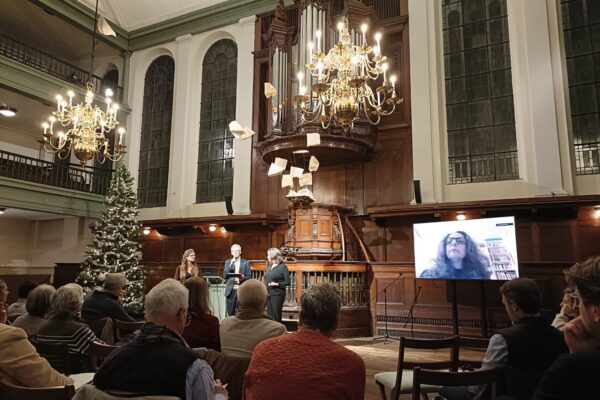
In July 2025, ACRPJ Team, in collaboration with the Center for Peace Church Theology (ATF), also co-hosted a webinar for the WCC and the Mennonite World Conference to mark the 1700th anniversary of the Council of Nicaea—exploring its meaning from a peace church perspective, see:
Andrés Pacheco Lozano is a member of the Faith and Order Commission.